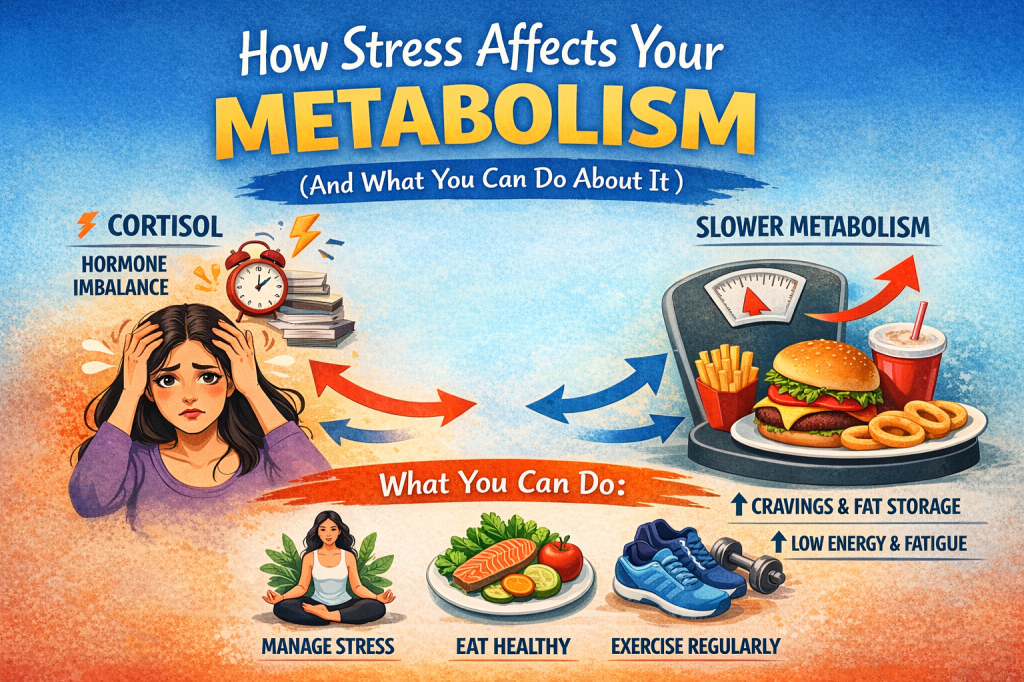
Stress has become a common part of modern life. Work pressures, family responsibilities, irregular schedules, and constant digital engagement all place ongoing demands on the body. While short-term stress is a natural response, chronic stress can quietly disrupt metabolic health, often without obvious warning signs.
Many people focus on diet and exercise when trying to improve health, but overlook the role stress plays in energy balance, weight regulation, sleep, and overall well-being. Understanding how stress affects metabolism is an important step toward achieving sustainable health.
Understanding the Stress–Metabolism Connection
When the body experiences stress, it activates a protective response commonly known as the “fight or flight” reaction. This response releases stress hormones, particularly cortisol, which help the body respond to immediate challenges.
In short bursts, this system is helpful. However, when stress becomes ongoing, elevated cortisol levels can begin to interfere with normal metabolic processes, including how the body manages energy, blood sugar, and fat storage.
Over time, this imbalance may contribute to metabolic strain.
How Chronic Stress Impacts Metabolic Health
1. Disrupts Blood Sugar Regulation
Chronic stress can increase blood sugar levels as the body prepares for perceived threats. When this happens repeatedly, it may affect how efficiently the body responds to insulin.
2. Influences Fat Storage
Elevated stress hormones are associated with increased fat storage, particularly around the abdominal area. This is a metabolic response rather than a reflection of calorie intake alone.
3. Affects Appetite and Food Choices
Stress can alter hunger signals, leading to increased cravings for high-sugar or high-fat foods. This response is driven by hormonal changes, not lack of willpower.
4. Reduces Energy Levels
Ongoing stress places continuous demands on the body, often resulting in fatigue, sluggishness, and reduced motivation for physical activity.
5. Impacts Sleep Quality
Stress and poor sleep are closely linked. Inadequate sleep further disrupts metabolic regulation, creating a cycle that is difficult to break.
Common Signs Stress May Be Affecting Your Metabolism

Stress-related metabolic imbalance may show up as:
- Persistent tiredness despite adequate rest
- Difficulty managing weight
- Increased cravings, especially during stressful periods
- Poor sleep quality
- Mood changes or irritability
- Feeling overwhelmed or mentally drained
These signs are often gradual and may be mistaken for lifestyle or age-related changes.
Why Stress Management Matters for Long-Term Health
Managing stress is not just about mental well-being. It plays a critical role in supporting metabolic balance and overall health.
When stress is better regulated, many people notice:
- Improved energy levels
- Better sleep quality
- More stable appetite patterns
- Enhanced focus and emotional balance
- Improved ability to maintain healthy routines
Addressing stress helps create a supportive environment for metabolic health to improve naturally.
What You Can Do to Support Metabolic Health During Stress
Improving stress-related metabolic balance does not require drastic changes. Small, consistent strategies can make a meaningful difference.
Prioritize Quality Sleep
Establishing regular sleep routines supports hormone balance and metabolic recovery.
Incorporate Gentle, Consistent Movement
Daily movement such as walking, stretching, or light activity helps regulate stress hormones and supports energy balance.
Practice Stress-Reduction Techniques
Mindfulness, breathing exercises, and relaxation practices can help calm the nervous system.
Maintain Balanced Nutrition
Regular, balanced meals help prevent extreme fluctuations in energy and blood sugar during stressful periods.
Focus on Consistency, Not Perfection
Sustainable habits are more effective than short-term solutions when managing stress and metabolic health.
The Role of Personalised Metabolic Care
Stress affects individuals differently. What feels manageable for one person may be overwhelming for another. This is why personalized metabolic care is important.
A tailored approach considers:
- Individual stress patterns
- Lifestyle demands
- Sleep quality
- Nutrition and movement habits
Personalized care allows strategies to be adjusted as life circumstances change, supporting long-term metabolic balance rather than short-term fixes.
Conclusion
Stress and metabolism are closely connected. Chronic stress can quietly disrupt metabolic health, affecting energy, sleep, appetite, and overall well-being. While stress cannot always be eliminated, learning how to manage it effectively can support healthier metabolic function.
By addressing stress alongside nutrition, movement, and sleep, individuals can take meaningful steps toward sustainable health and long-term balance.
Frequently Asked Questions
Can stress really affect metabolism even if diet is healthy?
Yes. Chronic stress can influence metabolic processes independently of diet quality.
Does reducing stress help with energy levels?
Many people experience improved energy and focus when stress levels are better managed.
Is stress management important for long-term metabolic health?
Yes. Managing stress supports hormonal balance, sleep quality, and sustainable metabolic function.
Reviewed by:
Dr. Samith Ghosal, MD
Clinical Lead – Metabolic & Lifestyle Medicine
Nightingale Metabolic Clinic, Nightingale Hospital
Medical Disclaimer
This article is for educational purposes only and does not replace professional medical advice, diagnosis, or treatment. Always consult a qualified healthcare provider for personalized guidance.

Leave a comment